
Navigating the Impact of Recent Tariffs on Caribbean Economies
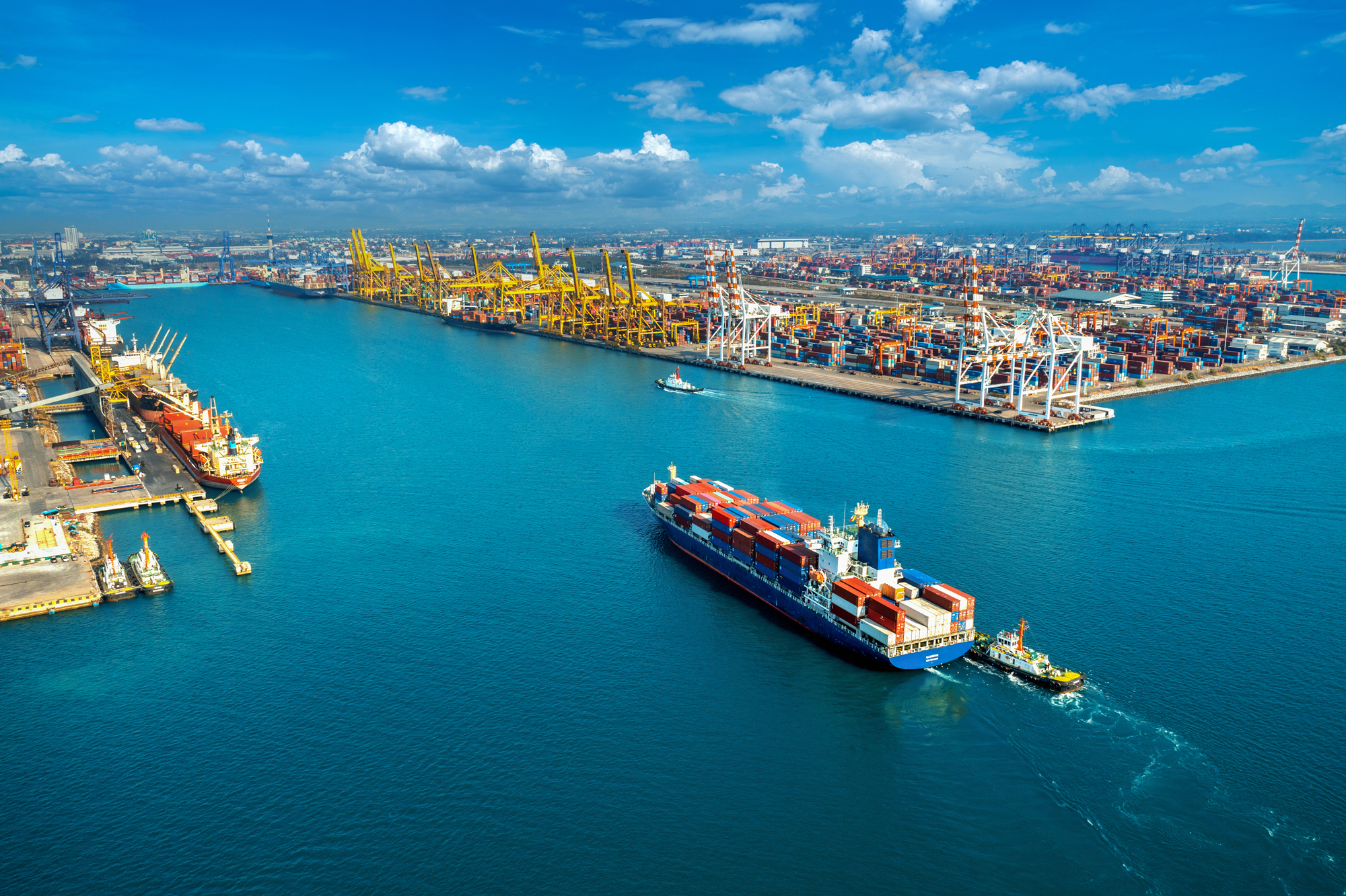
Whether you’re scrolling through social media or catching up on the news, the term “tariffs” seems to be everywhere. These import taxes, once reserved for trade war headlines and economic policy debates, are now front and centre in everyday financial conversations — and for good reason. While the “tariff war” may primarily originate in the USA and China, its effects ripple far beyond those borders. For Caribbean nations, the impact of U.S. tariffs, particularly those imposed on major producers like China, is both real and long-lasting.
What Are Tariffs and Why Do They Matter?
At their core, tariffs are taxes placed on imported goods, intended to make foreign products more expensive and domestic alternatives more attractive. While this might serve short-term strategic goals for large economies, the broader consequences are complex. Tariffs can disrupt global supply chains, distort commodity pricing, and trigger retaliatory actions that affect the balance of trade worldwide. For small, open economies like those in the Caribbean, which are heavily reliant on imports and tourism, the fallout is substantial.
Key Pressures on the Caribbean
Despite being geographically removed from the trade disputes, Caribbean nations will feel the impacts. Here's how:
1. Inflationary Pressures - Many Caribbean economies depend on re-exported goods from the U.S. and China, including consumer electronics, building materials, and machinery. When tariffs drive up costs, those increases are passed on to Caribbean importers and ultimately will affect the consumers.
2. Tourism Sensitivity - The Caribbean’s economic heartbeat, tourism, is deeply sensitive to global financial shifts. As U.S. tariffs lead to higher costs for consumers and reduce discretionary income, vacation budgets are among the first to get cut. Fewer tourists mean fewer dollars flowing into local economies, directly threatening jobs and growth.
3. Commodity Exposure - Many Caribbean countries depend on just a few key exports, like oil, bauxite, and bananas. When global supply chains are disrupted due to tariffs, prices of these goods can become unstable. This makes countries that rely heavily on one main export more vulnerable to sudden economic shocks.
Investing in Uncertain Times: A Caribbean Strategy
Given that these tariff tensions show no signs of diminishing, Caribbean investors must prepare for a long game. The effects of today’s trade decisions could continue unfolding months or even years from now. Here are four strategies to navigate the uncertainty:
1. Diversify with Intent
U.S. assets have long been a staple for Caribbean portfolios, but the current climate demands geographic diversification. Increasing exposure to Asia-Pacific, Latin America, and African markets (regions less influenced by U.S. trade policies) can unlock new opportunities.
2. Foreign Exchange Resilience
Tariff-induced inflation puts pressure on regional currencies. Allocating to USD-denominated assets provides a protective buffer. Furthermore, currency hedging tools, which are used to minimize the impact of foreign exchange rate fluctuations, are now critical.
3. Domestic Undervaluation
With global markets going through ups and downs, it’s easy to overlook local opportunities. Local stocks and bonds may be undervalued, meaning they could be bought at a good price before gaining in value. With regional central banks often managing inflation and interest rates more cautiously than larger economies, the local financial environment may be more stable than it seems.This makes domestic assets a smart area to explore for long-term growth and steady returns.
4. The ESG & Resilience Play
Sectors tied to climate resilience, renewable energy, and sustainable agriculture are gaining momentum. For a region on the front lines of climate change, these aren’t just ethical investments, they’re smart hedges against future shocks. Environmental, Social, and Governance (ESG)- oriented strategies are fast becoming both a defensive play and a growth opportunity.
Looking Ahead
The shifts driven by tariffs are not short-term disruptions; these are changes that could reshape global trade for years to come. As the dust continues to settle, Caribbean nations and investors must remain agile, informed, and proactive. Economic tides may be turning, but with the right strategies, resilience and opportunity can rise from uncertainty.
As this situation constantly develops, we will continue to monitor the shifts and impacts it will have on the Caribbean economies.